Evaluation and applied use of AI in psychiatry
Experience spanning model evaluation, prompt design, dataset development, and reasoning assessment for medically complex psychiatric use cases.
Clinical AI • Psychiatry • Neuroscience
Keystone Neuroinformatics focuses on clinical AI, computational psychiatry, multimodal data, and translational behavioral health research in a format built for careful growth.
The core areas are deliberately focused: clinical AI, computational psychiatry, neuroimaging, and translational research connected to meaningful behavioral health questions.
Experience spanning model evaluation, prompt design, dataset development, and reasoning assessment for medically complex psychiatric use cases.
Work in reward circuitry, dimensional psychopathology, structural and functional imaging, and clinically relevant interpretation of multimodal data.
Grounding in psychiatry trials, outcome measures, intervention design, and practical paths from scientific ideas to real-world clinical relevance.
The content direction is informed by work across psychiatry, neuroimaging, translational neuroscience, clinical trials, and recent evaluation of AI systems in medicine.
Board-certified clinical grounding with emphasis on serious mood, psychotic, and neuropsychiatric disorders.
Peer-reviewed work in computational psychiatry, reward dysfunction, clinical interventions, translational neuroscience, and molecular neurobiology.
A static architecture designed for clean project profiles, research updates, AI discoverability, and a modest collaborative intake workflow.
Each project page is a focused theme page that can later hold publications, methods, visuals, and updates without changing the site structure.
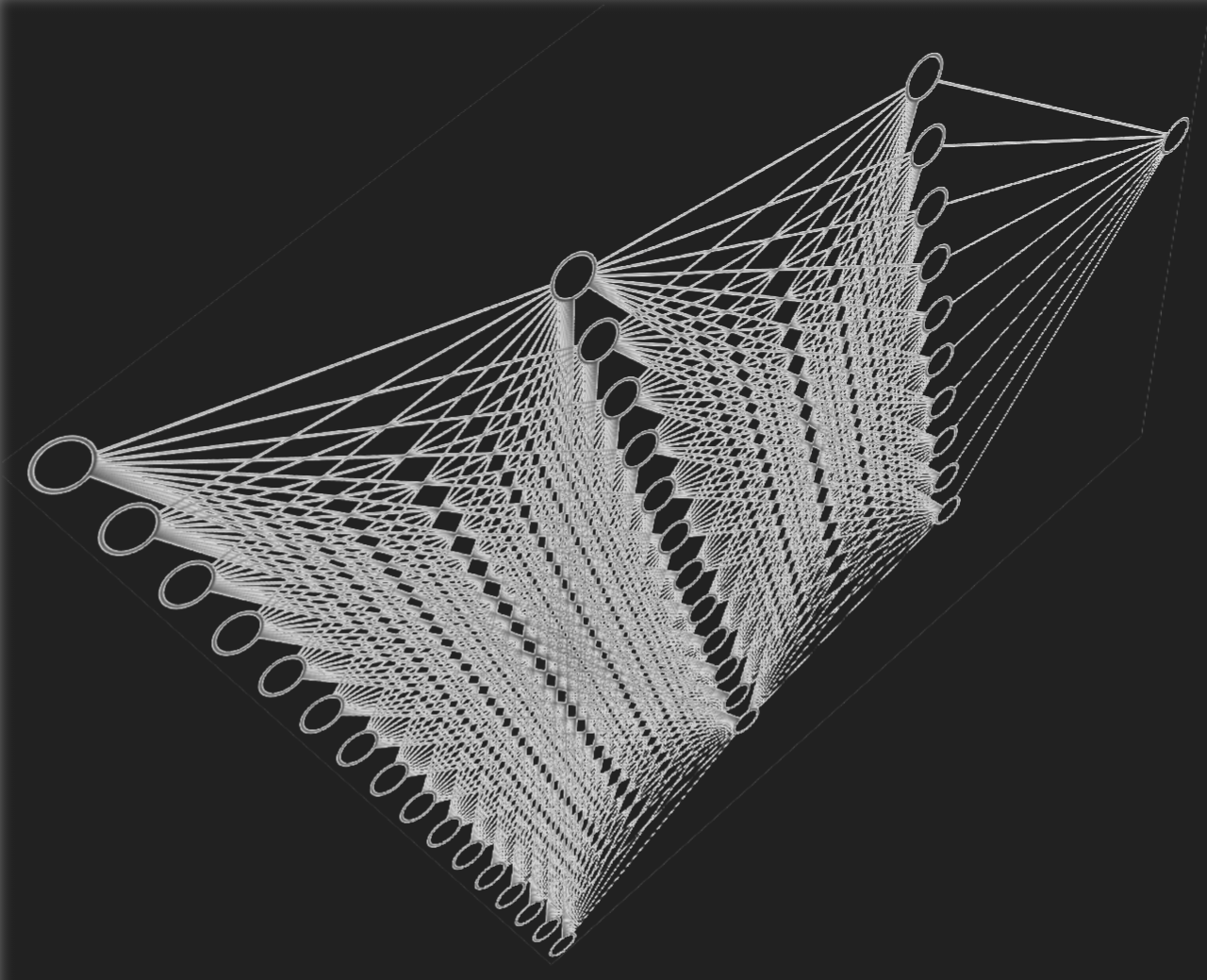
Public-facing theme focused on evaluation and practical use of AI systems for psychiatric reasoning, clinical workflows, and medically complex decision support.
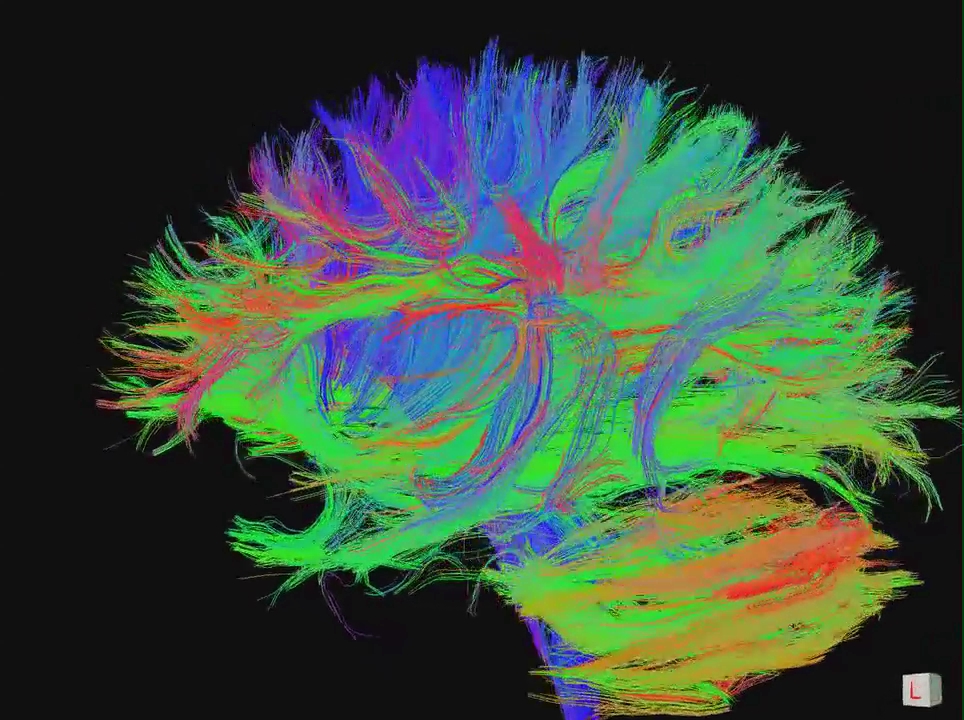
Research theme grounded in neuroimaging and dimensional approaches to reward dysfunction across mood and psychotic disorders.
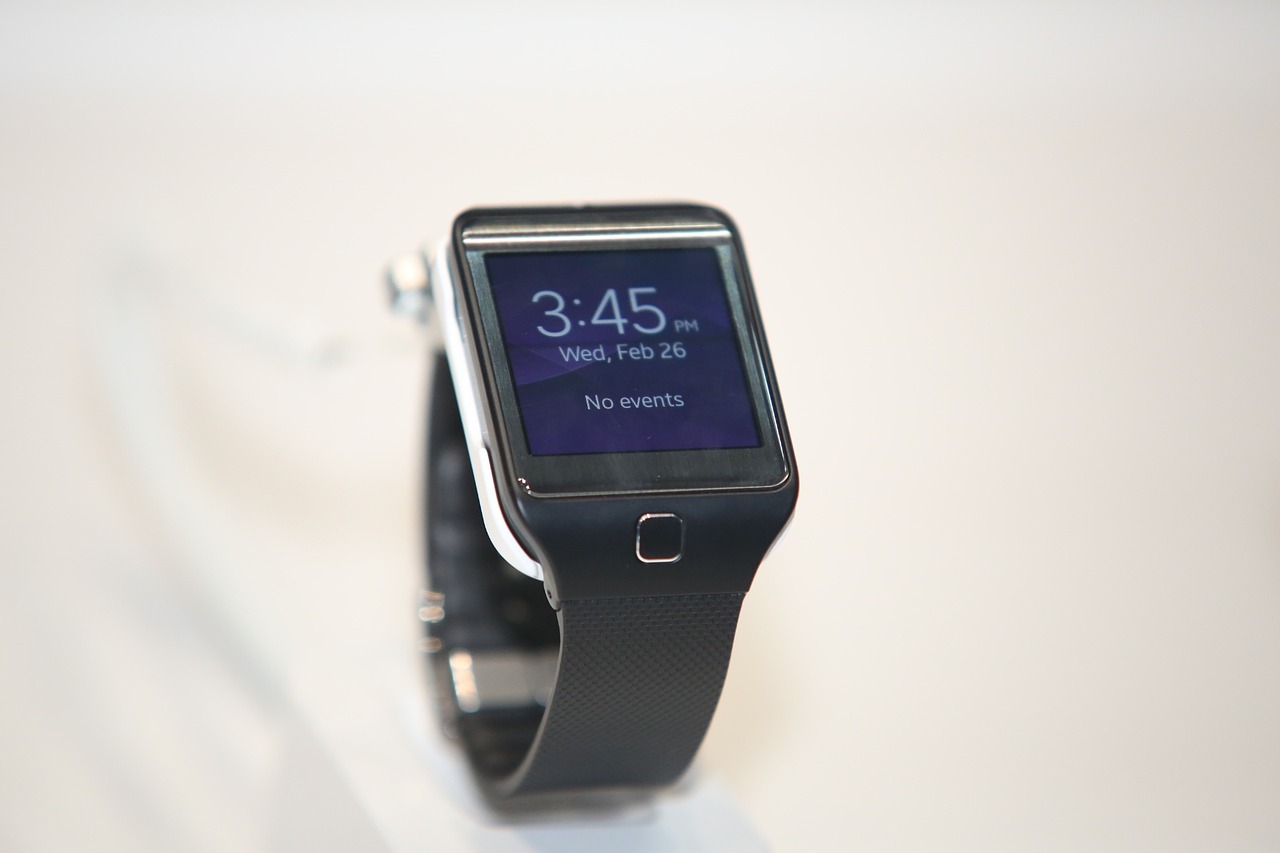
Theme focused on bringing together imaging, behavioral, clinical, and digital data to support interpretable models in behavioral health.
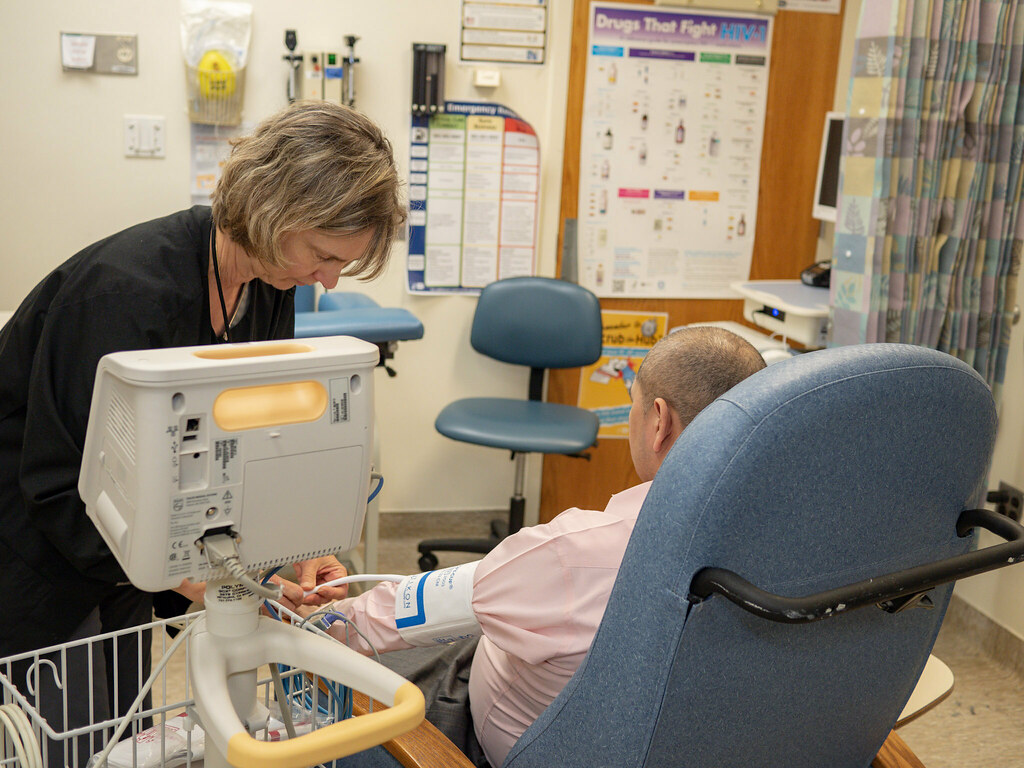
Theme connecting psychiatric clinical trials, intervention studies, outcome measures, and translational therapeutic questions.
The research archive is designed for concise summaries of published work, focused commentary, and occasional project-linked updates rather than a high-volume blog.

A short note on why psychiatric reasoning is an especially important stress test for frontier AI systems.
Key insight: Psychiatric reasoning depends on context, time course, uncertainty, safety, and subtle narrative distinctions. That makes it a valuable domain for evaluating whether AI systems can do more than pattern-match surface-level medical facts.
Why it matters: Work in this area can improve benchmark design, clarify how AI systems should be evaluated in high-context clinical settings, and support safer integration of AI tools into psychiatric and behavioral health workflows.

A concise summary of published work linking reward dysfunction across mood and psychotic disorders using connectome-wide analysis.
Key insight: Reward dysfunction appears to cut across diagnostic categories and can be studied using dimensional approaches rather than only disorder-specific labels. Connectome-wide analysis helps reveal shared neural signatures that are clinically relevant but easy to miss in narrower designs.
Why it matters: This kind of result supports more precise symptom-based research in behavioral health, helps investigators look beyond rigid diagnostic boundaries, and can inform biomarker work aimed at clinically meaningful subtypes.

A summary of imaging work examining how social reward processing differs between bipolar depression and unipolar depression.
Key insight: Depression severity does not map onto reward processing in the same way across diagnostic groups. Distinguishing bipolar from unipolar depression at the level of social reward response can clarify clinically important heterogeneity.
Why it matters: This kind of finding supports more targeted neuroimaging questions in psychiatry and may help researchers and clinicians think more carefully about heterogeneity within depressive syndromes.
The site is structured to support clean project pages, concise research updates, and thoughtful collaboration intake without becoming overly complex.
Review collaboration topics or read the background and research context.